/)
/)
/)
/)
/)
TURBT · Transurethral Resection of Bladder Tumor in Bangkok
TURBT is the first-line surgery for bladder cancer · a scope passed through the urethra removes the tumor under direct vision, providing both definitive diagnosis (tumor grade and stage) and complete tumor removal in a single procedure. For non-muscle-invasive bladder cancer, TURBT alone is curative for many patients. Muscle-invasive disease found at TURBT triggers further treatment planning.
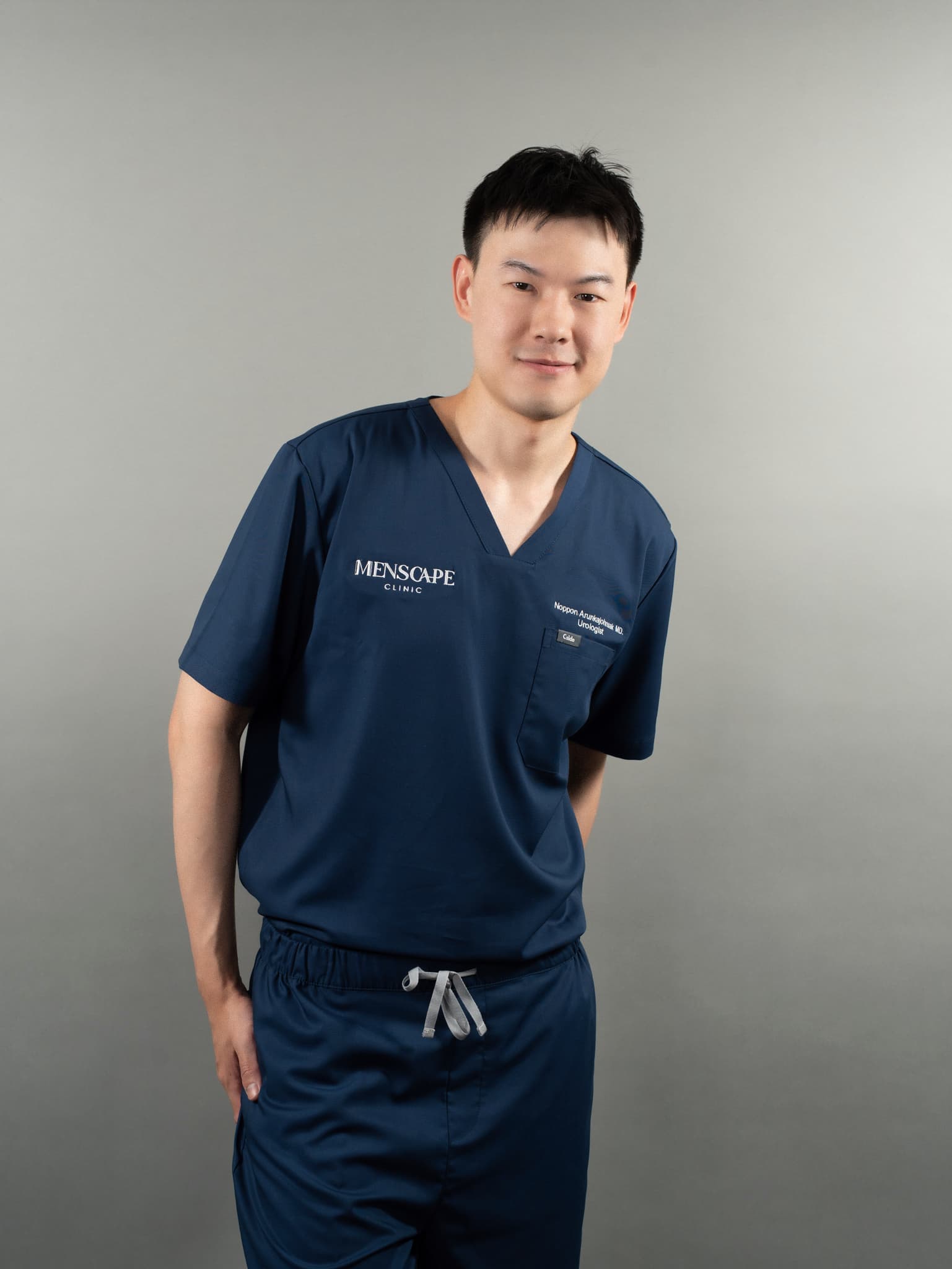
Medically reviewed by Dr. Noppon Arunkajohnsak (Win), Board-certified Urologist
9 years of experience
Our solutions
Why patients choose TURBT
What Our Patients Say
Male Surgery
Seeing blood in my urine frightened me. They removed the tumor and went through the pathology with me, so at least I knew exactly where I stood.
Wachirawit, 67
Male Surgery
I was nervous about surgery, but there were no cuts and I was home after one night. They had warned me about the blood, so nothing came as a surprise.
Khom, 64
Book your consultation today.
/)
How to Prepare for TURBT
Imaging staging
CT urogram or MRI to assess for upper-tract involvement and nodal disease before TURBT.Cystoscopy mapping (if known tumor)
Pre-op cystoscopy maps tumor size, number, and location.Urine culture
Treat any urinary infection before surgery.Stop blood thinners
5-7 days before surgery only if cleared by your prescribing doctor.Pre-anesthesia assessment
Bloods, ECG, chest X-ray as indicated by age and comorbidities.Fast pre-surgery
No food or water for 6-8 hours before the procedure.
/)
What Happens During TURBT
Anesthesia
Spinal or general anesthesia.Cystoscope insertion
A resectoscope is passed through the urethra into the bladder.Tumor inspection
The entire bladder lining is inspected · tumor size, number, and location confirmed.Tumor resection
The tumor is removed in fragments using an electrosurgical loop or bipolar/laser resection. Resection includes the tumor base down to muscle to confirm depth of invasion.Hemostasis and immediate intravesical chemotherapy
Bleeding points are cauterized. A single dose of intravesical mitomycin C is often instilled at the end to reduce recurrence (for low/intermediate-risk disease).Catheter placement
Urinary catheter for 24-48 hours · removed before discharge once urine clears.
/)
Explore Our Topics
About TURBT
/)
Complete First-TURBT Approach
Incomplete first TURBT increases recurrence and progression risk · our urology team follows current guidelines for complete resection including muscle sampling, with re-TURBT at 4-6 weeks where indicated.
Single-Dose Intravesical Chemotherapy
Per current guidelines, eligible patients receive a single peri-operative dose of mitomycin C to reduce recurrence by approximately 40% at first surveillance.
Coordinated Pathology and Treatment Planning
Pathology results are reviewed promptly · BCG induction, intravesical chemotherapy, or major surgery is planned without delay based on findings.
Private, Discreet Recovery
Confidential care, WhatsApp recovery support, English-language pathology and treatment-plan reports.
Frequently asked questions
Will I need more treatment after TURBT?
Your subsequent treatment depends entirely on the pathology results from the tumor removed. If you have non-muscle-invasive low-grade disease, TURBT followed by regular surveillance cystoscopy might be all you need. For non-muscle-invasive high-grade disease, you'll likely receive TURBT plus intravesical BCG immunotherapy or chemotherapy directly into your bladder. If muscle-invasive disease is found, more extensive treatment planning is crucial, potentially involving a radical cystectomy or chemoradiation.
How often will I need follow-up cystoscopy?
For most non-muscle-invasive bladder cancers, you can expect a cystoscopy every 3 months for the first 2 years after your TURBT. If these initial checks are clear, the frequency typically decreases to every 6 months for the next 2 years, then annually. The exact schedule for your follow-up will be tailored to your specific risk category and the findings from each cystoscopy, ensuring close monitoring of your bladder health.
What are the risks of TURBT?
The most common risks include blood in your urine, which usually resolves within 1 to 2 weeks, and temporary urinary frequency or urgency for a few days. You might also experience a urinary tract infection. Less common but possible risks include bladder perforation, which is rare and often managed by extending your catheterization for a few days, and the need for a repeat TURBT if the initial resection was incomplete, which occurs in about 5-10% of cases.
How long is recovery?
Most patients can return to light daily activities within a few days after TURBT. Your urinary catheter is typically removed within 24-48 hours. We advise avoiding heavy lifting or strenuous exercise for about 2 to 3 weeks to allow your bladder to heal properly. You can generally resume sexual activity once any blood in your urine has completely cleared, usually within 1-2 weeks.
How much does TURBT cost in Bangkok?
The cost of your TURBT in Bangkok will vary based on several factors. These include the size and number of tumors removed, your chosen type of anesthesia, the length of your hospital admission, and whether you require immediate intravesical chemotherapy after the procedure. To receive a precise and personalized quote tailored to your specific needs, we highly recommend booking a consultation with our specialist.
What are the success rates and long-term outcomes for TURBT?
TURBT is highly effective for diagnosing and treating non-muscle-invasive bladder cancer. For low-grade tumors, the recurrence rate can be as low as 15-20% at 5 years with proper surveillance. For high-grade tumors, recurrence rates are higher, around 50-70%, emphasizing the need for additional intravesical therapy and vigilant follow-up. Your long-term outcome significantly improves with early detection and adherence to your personalized surveillance schedule.
What anesthesia options are available for TURBT?
For your TURBT procedure, you will typically receive either general anesthesia, where you are completely asleep, or spinal anesthesia, which numbs you from the waist down while you remain awake but sedated. Our anesthesiologist will discuss both options with you, considering your medical history and preferences. They will ensure your comfort and safety throughout the procedure, explaining the benefits and risks of each choice.
What should I expect at my TURBT consultation?
At your consultation, you'll meet with our experienced urologist to discuss your symptoms and medical history. We'll review any previous scans or tests you've had. We may perform a physical exam and recommend a urine test or imaging if needed. We'll explain the TURBT procedure in detail, discuss potential findings, and collaboratively decide on the best course of action for your bladder health.
What are the logistics for international patients undergoing TURBT?
We recommend arriving in Bangkok at least 1-2 days before your scheduled TURBT for pre-operative assessments. You can typically fly home 3-5 days after your procedure, once your catheter is removed and you're stable. Post-operative follow-up and pathology results can often be communicated via secure messaging like WhatsApp, ensuring continuous care even after you return home.
COMPLETE BLADDER TUMOR DIAGNOSIS AND TREATMENT
COMPLETE BLADDER TUMOR
DIAGNOSIS AND TREATMENT
/)
)
Dr. Noppon Arunkajohnsak (Win)
Board-certified Urologist
- Experience
- 9 years
Dr. Noppon is a board-certified urologist trained at Siriraj Hospital, Mahidol University. With over 9 years of experience, he focuses on urological consultation and men's health, providing discreet, evidence-based, patient-centred care.