/)
Most men hear about hyperbaric oxygen therapy in one of two places: a footballer's injury comeback, or a longevity podcast promising you can lengthen your telomeres. Both stories contain something real, and both leave out the parts that matter when you are deciding whether to actually book a chamber in Bangkok and what it should cost.
Hyperbaric oxygen therapy (HBOT) is, at its core, a simple idea. You sit or lie inside a sealed chamber, the pressure is raised above normal atmospheric pressure, and you breathe oxygen at a much higher concentration than the air around you. Under that pressure, oxygen dissolves directly into your blood plasma, not just onto the haemoglobin in your red blood cells, so tissues that are starved of oxygen get far more of it than ordinary breathing can deliver. That single mechanism explains both the well-established hospital uses and the more speculative performance claims.
This guide is written for men weighing HBOT in Bangkok: what it genuinely does (and does not) do, transparent THB and USD pricing with a Thailand-versus-West comparison, who is a poor candidate, what a course of sessions actually involves, the side effects worth knowing, and how to tell a properly run chamber from a wellness gimmick. HBOT in a medical setting requires a consultation and screening first, and some uses require a doctor's prescription, so think of this as preparation for that conversation rather than a substitute for it.
What hyperbaric oxygen therapy actually is
At sea level you breathe air that is about 21 percent oxygen at one atmosphere absolute (1 ATA) of pressure. Inside a hyperbaric chamber, the pressure is typically raised to somewhere between 1.3 and 3.0 ATA, and you breathe close to 100 percent oxygen. The combination matters. Pressure plus pure oxygen dramatically increases how much oxygen physically dissolves into the watery part of your blood. According to a clinical reference review in StatPearls, at 3 ATA breathing 100 percent oxygen the plasma oxygen concentration can approach 60 mL per litre, which is enough to supply tissue even when red-cell delivery is impaired (StatPearls, 2023).
Why would extra dissolved oxygen help? In injured, infected or poorly perfused tissue, several things tend to follow from raising oxygen levels: new blood vessel formation is supported, certain bacteria struggle in an oxygen-rich environment, white-cell function improves, swelling can reduce, and the raw material for tissue repair becomes more available. None of that is mystical. It is the same physiology that lets HBOT clear carbon monoxide off haemoglobin or help a stubborn diabetic foot wound finally close.
The chambers themselves come in two broad types, and the difference affects both your experience and the price:
Monoplace chambers fit one person, who lies down while the whole chamber is pressurised with oxygen. These are common in clinics and wellness centres.
Multiplace chambers are larger rooms that seat several people, who breathe oxygen through a mask or hood while the room is pressurised with air. Hospitals use these for medical-grade treatment and for patients who need staff alongside them.
A quick note on terminology you will see marketed in Bangkok. "Mild HBOT" or "soft chambers" usually run at lower pressures (often around 1.3 ATA) using concentrated oxygen rather than 100 percent medical oxygen. They are gentler and cheaper, but they are not equivalent to the higher-pressure protocols used in the published clinical studies, and you should not assume the research findings transfer directly.
What the evidence actually supports (and what it does not)
This is the section most men's-health articles skip, and it is the one that protects you. There is a meaningful difference between uses backed by decades of clinical evidence and the optimisation claims that fill marketing pages.
Well-established medical uses. Major regulators and specialist societies recognise a defined list of conditions where HBOT is an accepted treatment. Cleveland Clinic lists roughly 13 such FDA-approved indications, including air or gas embolism, decompression sickness (the bends), carbon monoxide poisoning, non-healing wounds, serious bone and skin infections, compromised skin grafts, radiation injury to tissue, sudden hearing loss in some cases, and severe anaemia (Cleveland Clinic). The clinical literature is more specific about which wounds and infections respond best: StatPearls and the Undersea and Hyperbaric Medical Society single out conditions such as diabetic foot ulcers and necrotising soft-tissue infections among the strongest-evidence wound and infection indications (StatPearls, 2023). These are the uses with the strongest footing.
Promising but earlier-stage uses relevant to men. This is where HBOT gets interesting for recovery and longevity, and where honest hedging matters.
*Cognition and brain ageing.* A randomised controlled trial in healthy adults over 64 found that a three-month HBOT protocol improved global cognitive function, with the largest gains in attention and information processing speed, alongside measurable increases in cerebral blood flow on MRI (Hadanny et al., Aging, 2020). That is a genuinely encouraging signal, though it is one trial in older adults, not proof of a cognitive edge for a healthy 40-year-old.
*Cellular ageing markers.* A prospective trial from the same Israeli group reported that 60 daily sessions increased telomere length in isolated immune cells by roughly 20 to 38 percent and reduced certain senescent ("aged") cell populations by around 11 to 37 percent (Hachmo et al., Aging, 2020). These are laboratory measurements in blood cells, not a demonstrated increase in lifespan, and they came from an intensive daily protocol most people will never complete.
*Athletic recovery and performance.* Here the picture is mixed and worth being candid about. A systematic review and meta-analysis found that HBOT given before or after exercise did not significantly improve performance or standard recovery markers, while HBOT applied during exercise showed a possible benefit for muscle endurance that the authors said needs further confirmation (Huang et al., Frontiers in Physiology, 2021). More recent work on muscle injury and soreness has been more favourable, but the recovery story is not the slam dunk that gym marketing implies.
Claims to treat with scepticism. The US Food and Drug Administration has specifically warned consumers that HBOT is being marketed, without supporting evidence, for conditions including cancer, autism, Alzheimer's disease and HIV/AIDS, and that such unproven use can delay proper care (FDA, 2021). Cleveland Clinic similarly flags anti-ageing, autism, depression, hair loss, HIV/AIDS and sports injuries among uses that are not adequately proven (Cleveland Clinic). If a clinic promises HBOT cures any of these, that is a reason to walk, not to book.
For a man, the honest framing is this: if you have a recognised medical indication, HBOT is an evidence-based treatment that needs a doctor. If you are pursuing recovery, sharper thinking, better sleep or longevity, the early data is promising enough to be interesting but not strong enough for guarantees, and the value depends heavily on realistic expectations.
HBOT cost in Bangkok: THB and USD pricing
Bangkok is one of the more affordable cities in the world for HBOT, partly because several hospitals run hyperbaric units and partly because a competitive cluster of wellness clinics has driven entry-level prices down. Prices below are indicative 2026 ranges gathered from clinic and hospital listings; always confirm the exact figure at your consultation, because pressure, session length, chamber type and any required medical work-up all move the number.
USD figures use an approximate rate of THB 36 to USD 1 and are rounded.
Format | Bangkok price (THB) | Approx. USD | Notes |
Single session, mild/soft chamber (~1.3 ATA) | 1,500 - 2,500 | ~40 - 70 | Wellness-style, lower pressure |
Single session, medical chamber (1.5 - 2.0+ ATA) | 3,000 - 6,000 | ~85 - 165 | Hospital or medically supervised |
3-session package | 9,000 - 18,000 | ~250 - 500 | Per-session discount begins |
5-session package | 13,000 - 26,000 | ~360 - 720 | Common longevity starter block |
10-session package | 20,000 - 50,000 | ~550 - 1,400 | Better per-session value |
20 - 40 session programme | 40,000 - 140,000 | ~1,100 - 3,900 | Intensive protocols (e.g. ageing research-style) |
For a concrete hospital reference point, Samitivej publishes a single medical HBOT session at around THB 5,500 to 6,000, a 3-session package at THB 15,900, and a 5-session package at THB 26,000, with pricing listed as valid through the end of 2026 (Samitivej Hospital). That is a useful anchor for the upper, fully medical end of the range.
How Bangkok compares to the US and UK
Medical-tourism directories consistently place Thailand's hyperbaric pricing well below Western private rates, often in the region of 40 to 60 percent cheaper for comparable sessions. The table below is a like-for-like sketch, not a quote, since Western pricing varies enormously between insured hospital treatment and cash-pay wellness centres.
Single medical session | Typical private price | Approx. USD |
Bangkok | THB 3,000 - 6,000 | ~85 - 165 |
United Kingdom | GBP 100 - 250 | ~125 - 315 |
United States | USD 200 - 450 | ~200 - 450 |
The practical takeaway: for a man already in Bangkok, or combining treatment with a trip, a multi-session HBOT block can cost a fraction of the equivalent course at a Western cash-pay clinic, while still being delivered in an accredited hospital chamber.
A snapshot of Bangkok providers
Provider pricing shifts, so use this as orientation rather than a live price list, and confirm directly. Listed figures are typical entry-level per-session rates compiled from public clinic and directory listings.
Provider type | Example providers | Indicative from (THB/session) |
Wellness / men's clinic | Menscape, integrative clinics | from ~1,500 |
Mid-tier hospital units | Yanhee, Phyathai, Paolo | ~1,500 - 2,000 |
Premium hospitals | Bumrungrad, Bangkok Hospital, MedPark, Samitivej | ~2,000 - 6,000 |
Luxury wellness retreats | RAKxa, BDMS Wellness, Clinique La Prairie | ~2,000 - 4,000+ |
What drives the cost
Two men can pay very different amounts for what looks like "the same" therapy. The variables that explain the gap:
Chamber type and pressure. A 100 percent oxygen, higher-pressure medical chamber costs more to run and price than a low-pressure soft chamber. You are partly paying for the protocol used in the actual research.
Hospital versus clinic setting. Hospital units bundle physician oversight, emergency backup and accreditation into the fee. Wellness clinics trim that to hit a lower headline price.
Session count. Per-session cost almost always falls when you buy a package, so a single drop-in session is the most expensive way to try HBOT.
Private versus shared. A private monoplace session is dearer than a seat in a shared multiplace room.
Medical work-up. Some providers include a doctor's assessment, ear examination and sometimes a chest X-ray in the price; others charge these separately. A proper provider will insist on screening regardless.
Add-on stacking. Clinics often bundle HBOT with IV therapy, red light therapy or broader longevity programmes, which raises the total but can improve per-item value.
Who is a good candidate, and who is not
HBOT is not a walk-in-off-the-street therapy in any serious setting, because a short screening can catch the handful of situations where pressure is genuinely dangerous.
Reasonable candidates include men with a recognised medical indication referred by a doctor, and generally healthy men pursuing recovery or longevity goals who clear screening, who understand the evidence is early for those uses, and who have realistic expectations. If your interest is recovery from heavy training, post-surgical healing or general healthspan, you are in the optimisation category, where HBOT is plausibly helpful but not guaranteed.
Absolute contraindication. An untreated pneumothorax (a collapsed lung with trapped air) is the one situation where HBOT must not proceed, because changing pressure can turn it into a life-threatening tension pneumothorax (StatPearls, 2023). This is precisely why screening exists.
Relative cautions, where a doctor weighs risk against benefit:
Significant uncontrolled lung disease such as severe emphysema, or lung blebs/bullae
Recent ear or sinus surgery, frequent ear infections, or an inability to equalise ear pressure
Recent chest surgery
A current cold, congestion or active sinus infection (often just a reason to postpone)
Poorly controlled high fever or uncontrolled seizures
Certain medications (for example disulfiram or some chemotherapy agents)
Severe claustrophobia, which can make a monoplace chamber intolerable
Pregnancy, which is handled cautiously and is rarely relevant here but worth noting for completeness
Men exploring HBOT specifically for sexual-health or hormonal reasons should keep expectations grounded. There is no robust evidence that HBOT directly raises testosterone or treats erectile dysfunction. If those are your real concerns, dedicated pathways such as testosterone therapy or evidence-based ED treatments are a more direct route, and a consultation can tell you which fits.
What a session and a full course involve
Knowing the rhythm of treatment removes most of the anxiety men have about getting into a sealed chamber.
Step 1: Consultation and screening. Before your first session, expect a medical questionnaire, blood pressure check, an ear examination and a review of contraindications. Some hospital programmes add a chest X-ray. This is also when goals and a realistic session count are agreed.
Step 2: Going into the chamber. You will usually be asked to wear cotton clothing and remove certain items. In a monoplace chamber you lie down; in a multiplace room you sit and breathe through a mask or hood. The chamber is then slowly pressurised.
Step 3: The compression phase. As pressure rises you will feel fullness in your ears, much like a plane descending. You clear it by swallowing, yawning or the gentle Valsalva manoeuvre (pinching your nose and blowing softly). Tell staff if it hurts, because they can slow the rate. Difficulty equalising is the single most common reason a session is uncomfortable.
Step 4: At pressure. For roughly 60 to 90 minutes you simply breathe. Many people nap, listen to music or watch a screen. Medical protocols sometimes build in short "air breaks" to reduce the chance of oxygen toxicity.
Step 5: Decompression and after. Pressure is brought back down gradually, with the same ear sensations in reverse. Afterwards most men feel normal; some feel calm or pleasantly tired, and a few notice lighter, temporary fatigue as the body adjusts.
The full course. Single sessions exist, but HBOT is usually given as a course because effects accumulate. Depending on the goal, programmes commonly run from a handful of sessions up to 20, 40 or more, scheduled anywhere from two to five times per week. The research protocols on ageing markers used 60 daily sessions, which is far more intensive than a typical wellness block.
A realistic results timeline. Be wary of anyone promising dramatic day-one transformation. A reasonable, hedged expectation looks like this:
*After 1 to 3 sessions:* some men report better sleep or a sense of mental clarity; this is subjective and not universal.
*After 5 to 10 sessions:* for medical wound or healing indications, objective progress is often the marker watched here; for optimisation goals, any energy or recovery changes tend to be gradual.
*After 20 or more sessions:* the cumulative protocols are where the studied effects on cognition and cellular markers were measured, though individual response varies widely.
Have a question about your treatment?
Message our Bangkok clinic on WhatsApp and a doctor replies within minutes during clinic hours.
Risks and side effects
HBOT is generally considered safe when delivered with proper screening and supervision, but it is not risk-free, and a good provider will tell you that plainly.
Common, usually minor and temporary:
Ear pressure or pain from changing pressure (the most frequent complaint, and usually manageable by equalising)
Sinus discomfort
Temporary changes in vision, typically mild short-sightedness that resolves over weeks after a long course
Mild fatigue or light-headedness after a session
Less common but more serious:
Middle-ear barotrauma, where the eardrum is irritated or, rarely, ruptured if pressure cannot be equalised
Oxygen toxicity, which at high pressure can in rare cases trigger seizures, one reason medical protocols use timed air breaks (StatPearls, 2023)
Claustrophobia, which is not dangerous in itself but can make a confined monoplace chamber distressing
Lung injury, the serious risk that screening for pneumothorax and lung disease is designed to prevent
When to seek urgent care. Stop and get medical attention promptly if, during or after a session, you experience severe or persistent ear pain or sudden hearing change, chest pain or breathing difficulty, seizure-like symptoms, sudden severe shortness of breath, or vision loss that does not settle. These are uncommon, but they warrant immediate assessment rather than waiting.
How to choose a safe HBOT provider in Bangkok, and red flags
Because HBOT sits at the crossroads of real medicine and wellness marketing, the quality range in any city is wide. A few checks separate a properly run chamber from a risky one.
Green flags worth confirming:
A genuine medical screening and consultation before your first session, not just a payment and a waiver
Clear information on chamber type and the pressure used, stated in ATA
Trained staff present and monitoring, with emergency procedures in place
Honest, conservative claims that distinguish proven indications from optimisation
Transparent, itemised pricing, including what is and is not in the package
For higher-pressure medical treatment, a hospital or facility with recognised hyperbaric accreditation; regulators specifically recommend using accredited facilities for treating defined medical conditions
Red flags that should make you pause:
Marketing that claims HBOT cures cancer, autism, Alzheimer's, HIV or similar; this contradicts FDA consumer guidance
No screening, no questions about your ears, lungs or medications
Pressure on you to prepay for a large package before any assessment
Vague or evasive answers about chamber pressure, staffing or safety protocols
Guarantees of specific dramatic results
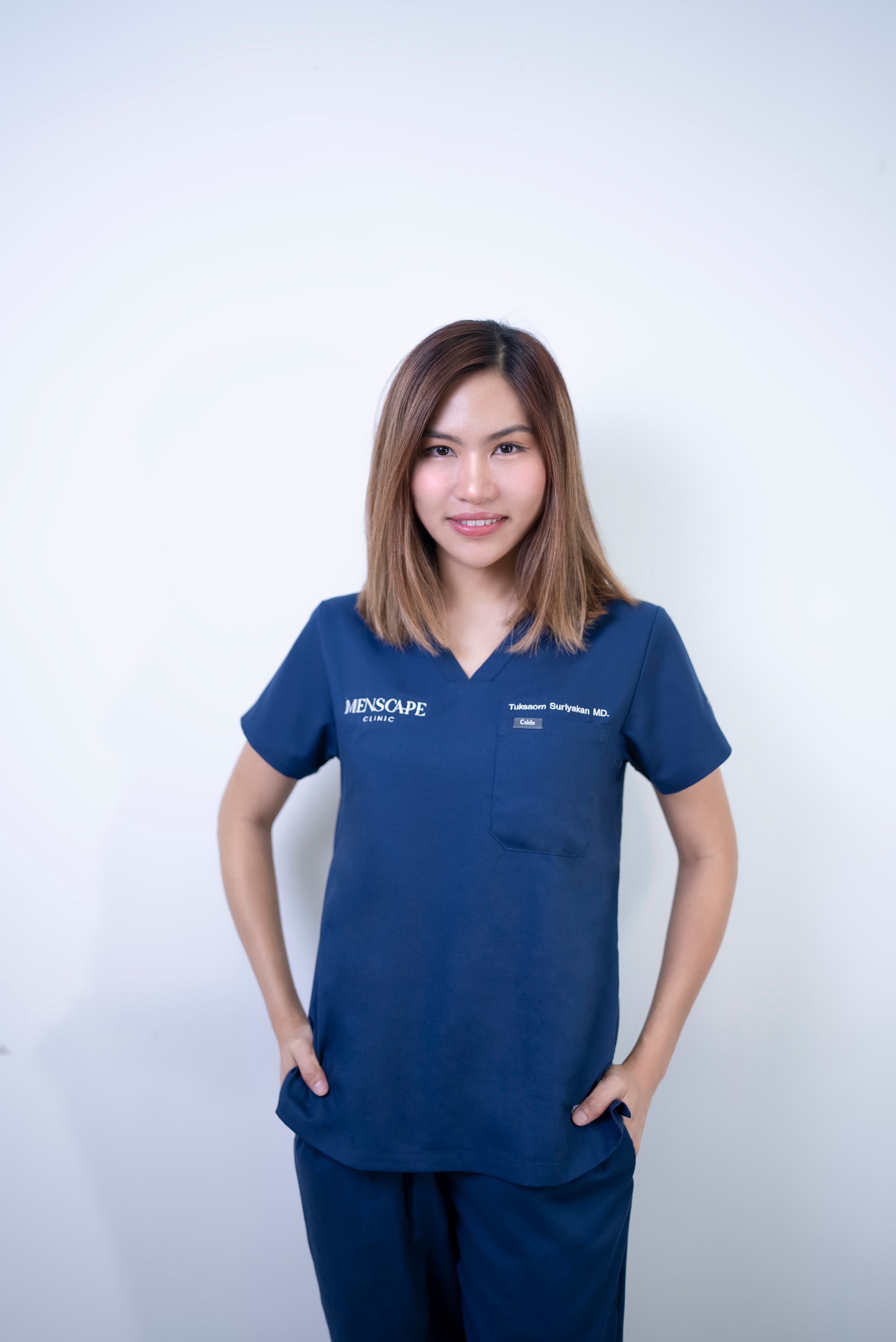
If you are combining HBOT with other treatments, choose a provider that coordinates the whole plan rather than selling sessions in isolation. At Menscape, HBOT is positioned within men's recovery and longevity medicine rather than as a standalone miracle, and screening is part of the process.
How HBOT compares to other men's recovery and longevity options
HBOT is one tool among several, and the right question is usually "which combination fits my goal and budget," not "which single therapy wins." A rough comparison:
Option | Main use case for men | Evidence maturity | Typical Bangkok cost | Time commitment |
HBOT | Wound healing (proven); recovery, cognition, longevity (emerging) | Strong for medical uses, early for optimisation | THB 1,500 - 6,000/session | 60 - 90 min, often multi-session |
Skin, recovery, possible tissue repair | Mixed, mostly early | THB 500 - 3,500/session | 10 - 30 min | |
Hydration, targeted nutrient repletion | Weak for general "wellness" use | THB 2,500 - 8,000/drip | 30 - 60 min | |
Diagnosed low testosterone, energy, libido | Strong when clinically indicated | Varies; ongoing | Ongoing, monitored | |
Structured longevity programme | Combined, measured healthspan plan | Depends on components | Bundled | Ongoing |
For most men, HBOT makes the most sense either as treatment for a specific medical indication under a doctor, or as one measured component of a broader recovery and longevity plan with realistic expectations, rather than as a one-off purchase chasing a guaranteed result.
Booking a consultation
If HBOT sounds relevant to your goals, the sensible next step is a consultation where a clinician can screen you, explain which uses are evidence-based for your situation, and tell you honestly whether HBOT, an alternative, or a combination is the better fit. Because some uses require a medical assessment and a prescription, that conversation is not optional paperwork; it is the part that keeps the therapy safe and the spend worthwhile.
Book a consultation with Menscape Bangkok to discuss whether hyperbaric oxygen therapy fits your recovery, performance or longevity goals, and to get clear pricing for your specific plan.
*This article is for general education and does not replace personalised medical advice. Hyperbaric oxygen therapy in a medical setting requires a consultation and screening, and some uses require a prescription. Pricing is indicative for 2026 and should be confirmed at consultation.*
Frequently Asked Questions
How much does hyperbaric oxygen therapy cost in Bangkok?
A single session typically runs from about THB 1,500 for a lower-pressure wellness chamber up to roughly THB 5,500 to 6,000 for a fully medical hospital session (about USD 40 to 165). Packages lower the per-session cost: 5-session blocks commonly sit around THB 13,000 to 26,000 and 10-session blocks around THB 20,000 to 50,000. These are indicative 2026 figures, so confirm at consultation.
Is HBOT in Bangkok cheaper than in the US or UK?
Generally yes. Comparable medical sessions in Bangkok often run roughly 40 to 60 percent below Western private cash-pay rates. A single medical session is around THB 3,000 to 6,000 in Bangkok versus roughly USD 200 to 450 in the US and GBP 100 to 250 in the UK. The gap widens across a multi-session course.
Does hyperbaric oxygen therapy boost testosterone?
There is no robust evidence that HBOT directly raises testosterone. Any indirect benefit would more likely come from better sleep or reduced inflammation, which is not the same as a treatment for low testosterone. If low testosterone is your concern, a dedicated assessment and, where indicated, testosterone therapy is a more direct and evidence-based path.
How many HBOT sessions do I need to see results?
It depends entirely on the goal. Some men report better sleep or clarity after 1 to 3 sessions, but that is subjective. Medical healing indications are tracked over a course of sessions, and the research on cognition and cellular ageing markers used intensive protocols of 20 to 60 sessions. There is no single number, and dramatic results from one session should be treated with scepticism.
Is hyperbaric oxygen therapy safe?
For most people who pass screening, HBOT is generally safe and well tolerated under proper supervision. The most common side effect is ear pressure. More serious risks like middle-ear barotrauma, oxygen toxicity or lung injury are uncommon and are largely what the pre-treatment screening is designed to prevent. An untreated collapsed lung is an absolute reason not to undergo HBOT.
Who should not have HBOT?
The one absolute contraindication is an untreated pneumothorax (collapsed lung). Doctors are also cautious with significant uncontrolled lung disease, lung blebs, recent ear, sinus or chest surgery, an inability to equalise ear pressure, active congestion or sinus infection, uncontrolled seizures, certain medications such as disulfiram, and severe claustrophobia. A consultation determines whether any of these apply to you.
Can HBOT help with recovery from training or injury?
The evidence is mixed. A meta-analysis found HBOT before or after exercise did not significantly improve performance or standard recovery markers, while use during exercise showed a possible endurance benefit needing more study. Some newer work on muscle injury and soreness is more favourable. It may help as part of a recovery plan, but it is not a guaranteed performance enhancer.
What is the difference between a soft chamber and a medical HBOT chamber?
Soft or mild chambers usually operate at lower pressure, often around 1.3 ATA, using concentrated oxygen. Medical chambers run at higher pressures (commonly 1.5 to 2.0 ATA or above) with close to 100 percent oxygen, which matches the protocols used in published clinical studies. Soft chambers are gentler and cheaper but are not equivalent, so do not assume research findings transfer directly.
Do I need a doctor's prescription for HBOT?
For recognised medical conditions, HBOT is a doctor-directed treatment and can require a prescription and referral. Even for wellness or longevity use, any reputable provider will require a medical consultation and screening before your first session. That screening is what catches the rare situations where pressure could be dangerous, so it is not something to skip.
/)